Enterprise Digital Transformation Services
Reduce manual work, improve data flow, and scale your operations with digital transformation services that modernize legacy systems and connect your business applications.
Discuss Your Transformation Goals




Digital transformation services help businesses improve how they operate by modernizing technology and redesigning workflows. Integration connects applications, data, and processes so information moves reliably across the business. Together, these services help reduce repetitive work, improve visibility, and make existing systems more capable of supporting growth.
Identify high-value improvements across systems and workflows. We build a clear roadmap with priorities, delivery phases, and measurable goals.
Build a reliable foundation for growth with application, data, and integration architectures designed for security, scalability, and easier maintenance.
Our legacy system modernization services improve aging applications through upgrades, reengineering, and phased replacement while managing disruption.
Extend application capabilities with secure APIs and third-party integrations. We build new interfaces and reusable connectors for reliable data exchange.
Our software migration services software migration services move chosen applications to the cloud, covering assessment, dependency mapping, migration, and validation for reliability.
Bring business data together for clear reporting and decisions. We build data pipelines, apply quality checks, and create dashboards for better visibility.
Convert paper forms, records, and offline processes into digital workflows with structured data capture, document management, and defined access controls.
Reduce repetitive work across teams and systems by automating approvals, notifications, data updates, and handoffs with clear rules and exception handling.
Our enterprise application integration services connect ERP, CRM, finance, and HR platforms to reduce duplicate data entry and improve information flow.
Fill system gaps through digital transformation with custom software, including portals, internal tools, and extensions connected to existing applications.
Help employees and customers complete tasks more easily by modernizing interfaces, simplifying navigation, and improving accessibility across applications.
Integrate AI into applications to simplify document processing, information retrieval, and complex tasks with data controls, validation, and human review.
Consider digital transformation and integration services when outdated technology, disconnected applications, or manual processes make it harder to run and grow your business. These services help you modernize systems, connect information, and improve how work moves across teams.
Your choice depends on whether your systems are outdated, disconnected, or unable to meet business needs. Your roadmap may also combine all three approaches.
| Decision Factor | Modernize | Integrate | Replace |
|---|---|---|---|
| Best suited for | Useful applications running on aging technology | Capable applications that cannot share data or workflows | Systems that cannot meet critical business needs |
| Primary goal | Improve performance and maintainability | Connect data and reduce manual handoffs | Introduce essential capabilities |
| Typical changes | Upgrade, refactor, redesign, or replatform | Connect through APIs, middleware, or data pipelines | Adopt a new platform or build a replacement |
| What you retain | Valuable business logic and functionality | Existing applications and core functions | Selected data and business rules |
| Key considerations | Code quality, technical debt, compatibility | API availability, data consistency, reliability | Migration, training, process changes, cutover |
Choose a digital transformation company that understands your business goals, can work with your existing systems, and has a clear approach to implementation and long-term support.
Proven experience with enterprise systems, complex workflows, and legacy modernization
Ability to connect business applications, streamline data flows, and preserve existing system capabilities.
Structured delivery with security controls, thorough testing, and phased rollouts to minimize disruption.
Continuous integration monitoring, system maintenance, and improvements to support evolving business needs.

Total Revenue
Faster Product Discovery

Increased in Member Engagement
Enhanced Data Accuracy and Insights

Boost in AI-Based Content Relevance
Students Onboarded Through Clever

Revenue
Increased Franchise Management Operational Speed
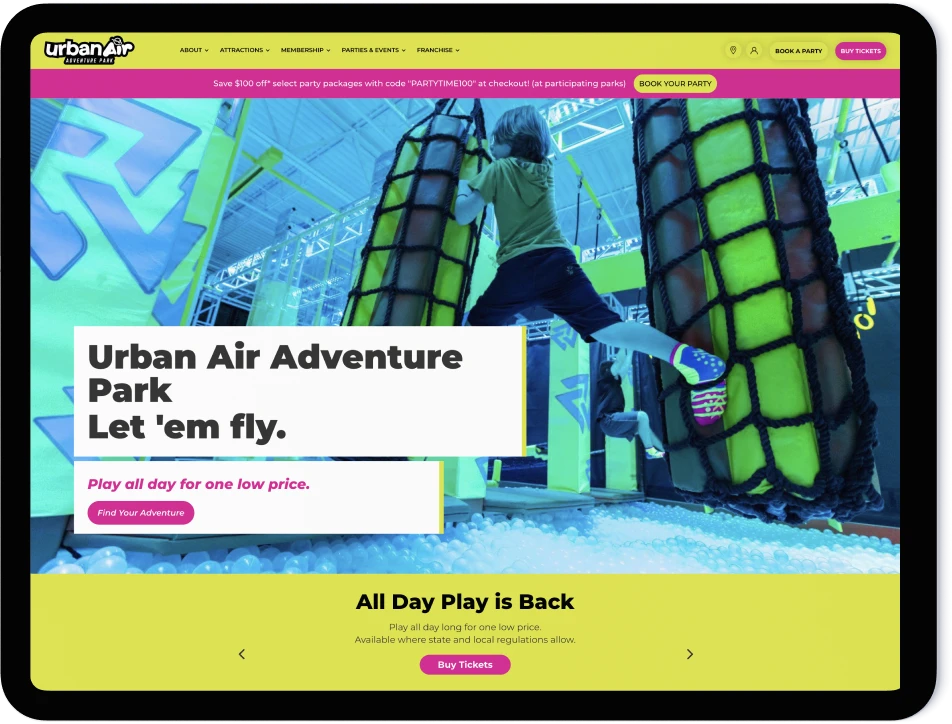
Digital transformation and integration involve complex dependencies, existing systems, and ongoing operational needs. Our approach helps protect delivery timelines and build long-term trust as systems are modernized and connected.
Dedicated technical leadership coordinates architecture, integrations, and dependencies, with clear responsibilities across internal teams and third-party providers.
We assess existing applications, data flows, and business-critical processes early to define the implementation sequence and identify potential disruption.
Phased releases, integration testing, data reconciliation, and rollback planning help teams validate changes before expanding adoption.
We communicate milestones, system dependencies, and technical trade-offs clearly so stakeholders can address risks and make informed decisions throughout delivery.


Founder And Director at The Replace Base Ltd

CEO, Clymb
Make modernized applications and connected workflows more capable with AI that processes documents, retrieves knowledge, supports decisions, and coordinates tasks.
Extract information from invoices, forms, and records, validate it against business rules, and pass it into connected systems.
Classify incoming requests, route tasks, and prepare responses across applications, with human approval for sensitive actions.
Help employees retrieve information and complete authorized tasks through assistants connected to your business applications and knowledge sources.
Use historical and operational data to forecast demand, anticipate resource needs, and support business planning.
Flag unusual transactions, inconsistent records, and unexpected operational patterns so teams can investigate potential issues earlier.
Identify likely duplicate records and suggest matches across systems to support cleaner, more consistent business data.















We follow a phased process to align technology changes with your business priorities, validate connected workflows, and support adoption across your teams.
Review your applications, workflows, data, and dependencies to identify operational gaps and define measurable goals.
Prioritize improvements, select suitable technologies, and plan the architecture, integrations, and delivery phases.
Upgrade applications, build integrations, and digitalize workflows, with data mapping and security controls built into implementation.
Verify application behavior, data accuracy, and end-to-end workflows through integration, performance, and user acceptance testing.
Release changes in planned stages, prepare rollback procedures, and help teams adopt new workflows through training and documentation.
Monitor system performance and integration health, measure results against agreed goals, and refine capabilities as your business evolves.
Defined processes make work easy to execute and ensure efficiency. Because of this, our experts with 15+ years of industry experience have developed a flexible process to ensure agility without compromising accuracy.
Discuss your existing systems, integration challenges, and growth priorities with our team. We’ll help you identify where digital transformation services can deliver the most value and define practical next steps.
Get answers to common questions about digital transformation services, including legacy system compatibility, integration options, project timelines, and ongoing support.
Yes. We assess your applications, architecture, and integration options to determine what can be retained, upgraded, or connected. Our legacy system modernization services focus on preserving useful functionality while addressing technical limitations.
No. Enterprise digital transformation services can combine targete d upgrades, integrations, workflow improvements, and selected replacements. We recommend changes based on business value, technical feasibility, and the condition of your existing systems.
Depending on the application, we can explore middleware, database connectors, file-based exchanges, or custom adapters. Our enterprise application integration services begin with a compatibility assessment to identify secure, maintainable options and their limitations.
We plan changes around critical workflows, using phased releases, testing, data validation, and rollback procedures. Training and documentation help teams adopt new processes. Any required downtime is identified and coordinated during planning.
Scope, system complexity, data quality, integration dependencies, and security requirements affect cost and timelines. An initial assessment helps define the required work, realistic estimates, and delivery phases. Projects involving enterprise software development may also require additional architecture and development work.
Custom software is useful when existing platforms cannot support essential workflows, integrations, or user experiences. This could mean an internal application, customer portal, or extension.